Independent · Issue one of two
Issue 01 — Edge Conditions
Six studies on the line where a building stops and the weather begins — and on how briefly that line holds.
- Issue
- 01
- Season
- Autumn 2026
- Extent
- 96 pages
- Edition
- 1,200 copies
- Position
- 58°21′N 06°44′W
Manifesto
Nothing here is finished.
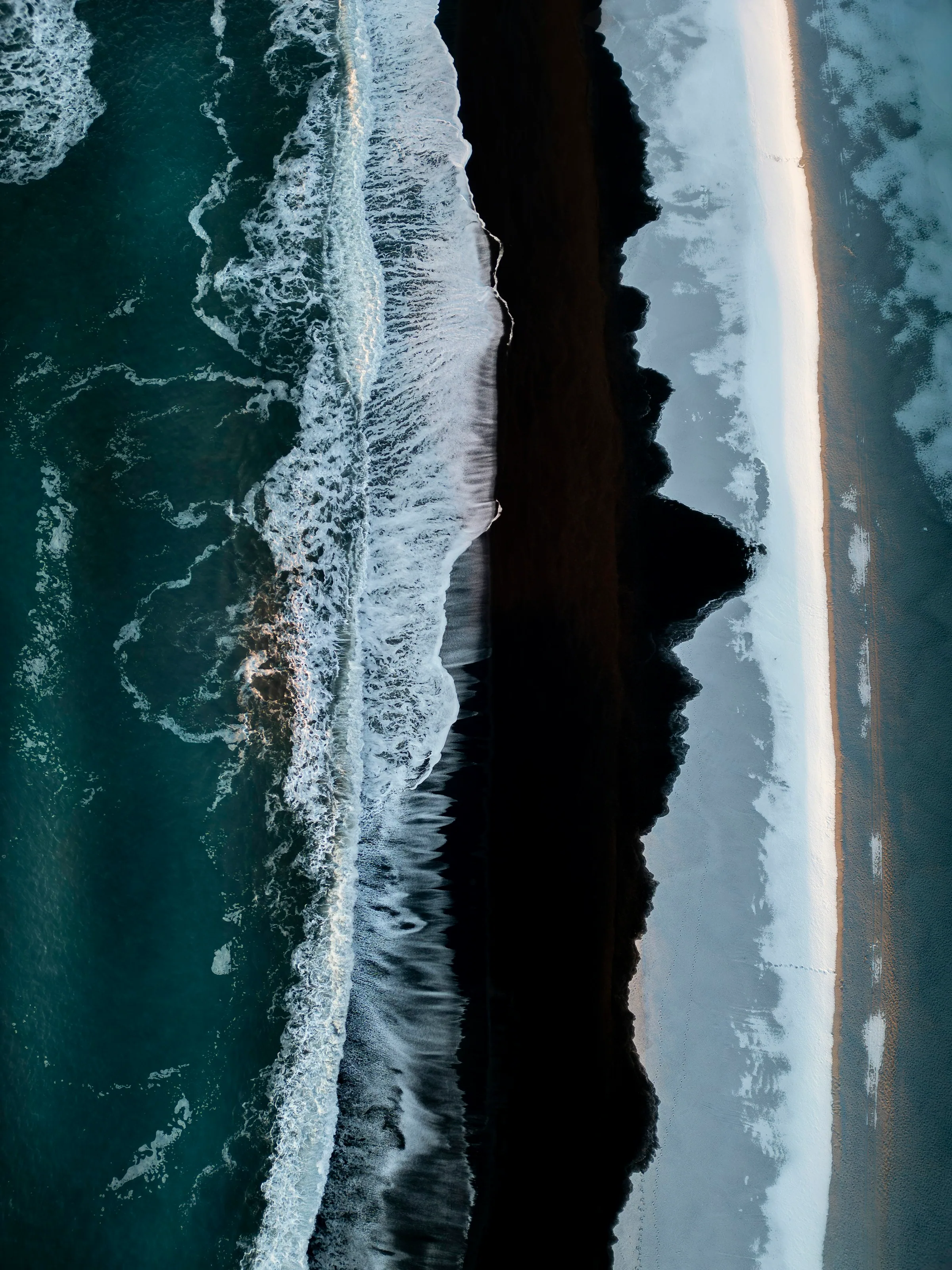
Concrete is a liquid that stopped. Give it a century and a coastline and it starts again — slower, in reverse, and without asking. Salt opens the surface. Water finds the reinforcement.
This issue looks at six edges. None of them is a metaphor. Each is a place where a decision made in a warm room meets a condition that does not negotiate.
— The editors
In this issue
- 01Nothing Here Is FinishedEditorial · The editors04
- 02Where Matter Meets WeatherEssay · Ines Rovall12
- 03Nine Sea Walls, Measured TwiceSurvey · Field office28
- 04The Courtyard at Skarn PointBuilding study · Aursund + Vale44
- 05On Salt, Patience and FailureConversation · With M. Døhl62
- 06A Person, For ScaleClosing · Photographic88
Feature
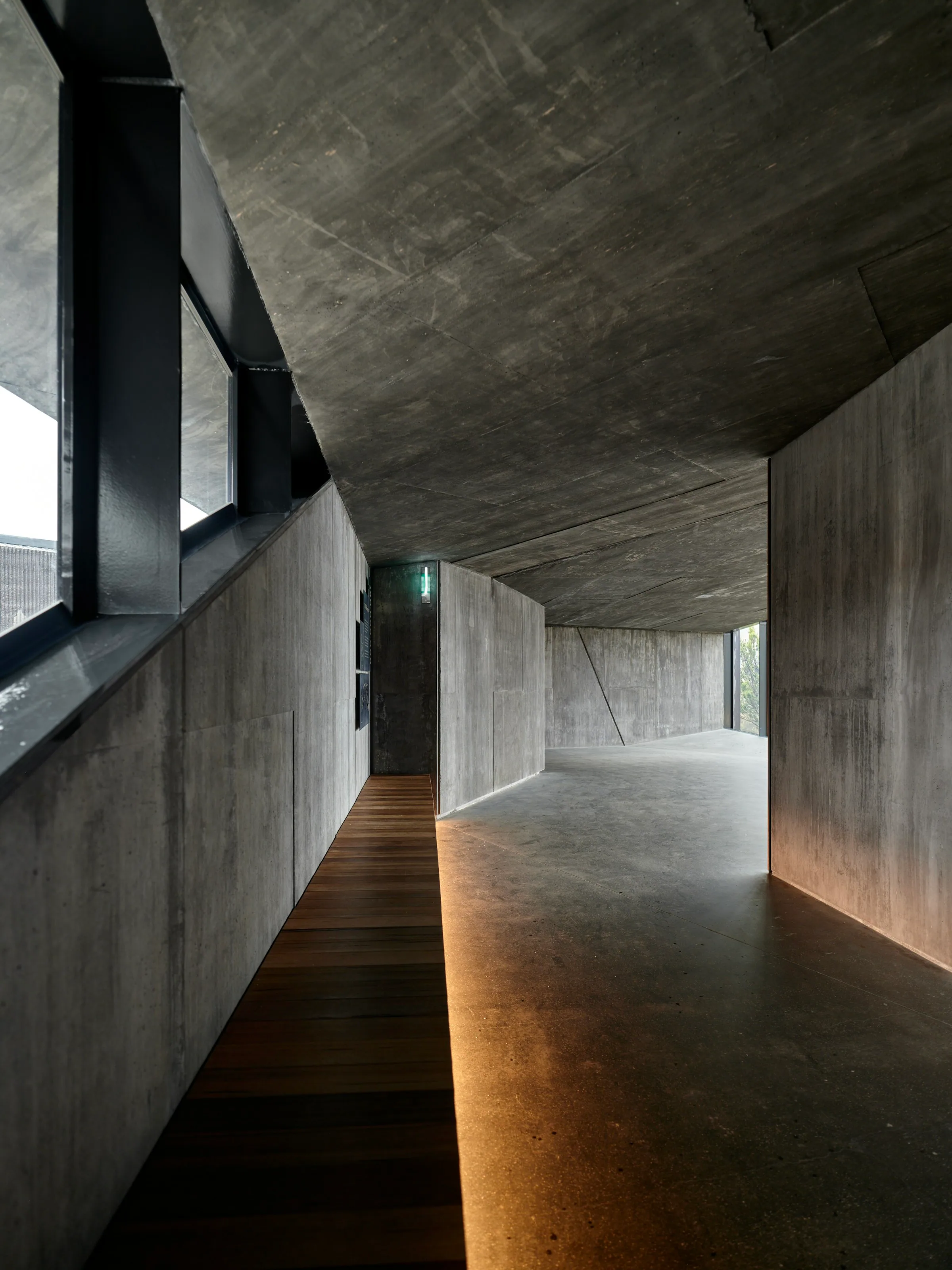
Where Matter Meets Weather
Words
Ines Rovall
Reading
14 minutes
A sea wall is a sentence written in the future tense. It says: this far, and no further, for as long as we keep paying attention.
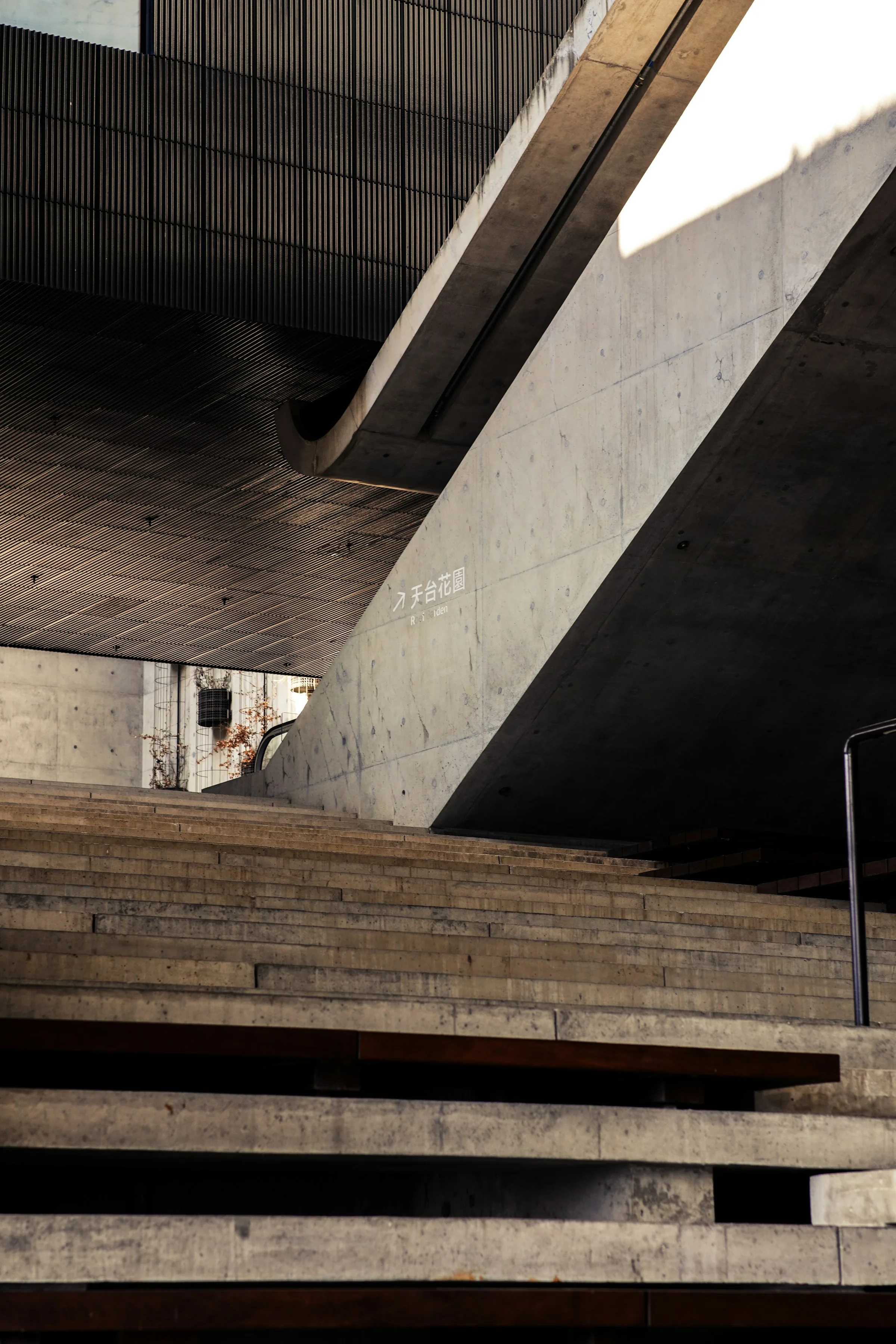
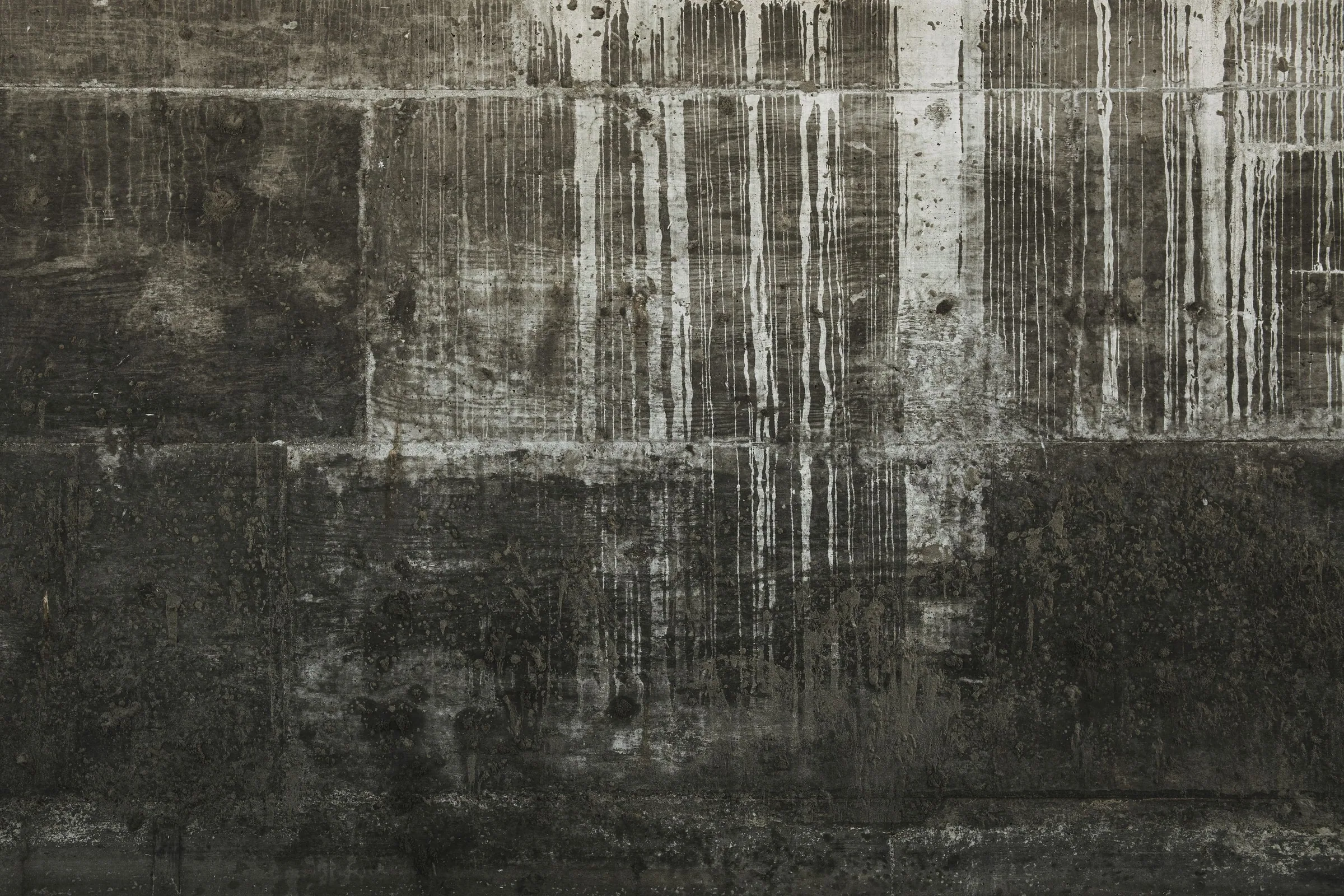
Stand on any working quay in winter and you can read the argument in the surface. The face that takes the weather is rough, pitted, pale with salt. The face two metres behind it, sheltered by nothing more than an angle, is still grey and smooth and thirty years younger. Same pour, same day, same crew. Orientation did the rest.
What survives is rarely what was designed to be permanent. It is what was designed to be replaced. The parapet copings that get lifted and reset every decade outlast the monolithic wall that was meant never to need touching, because someone kept turning up.
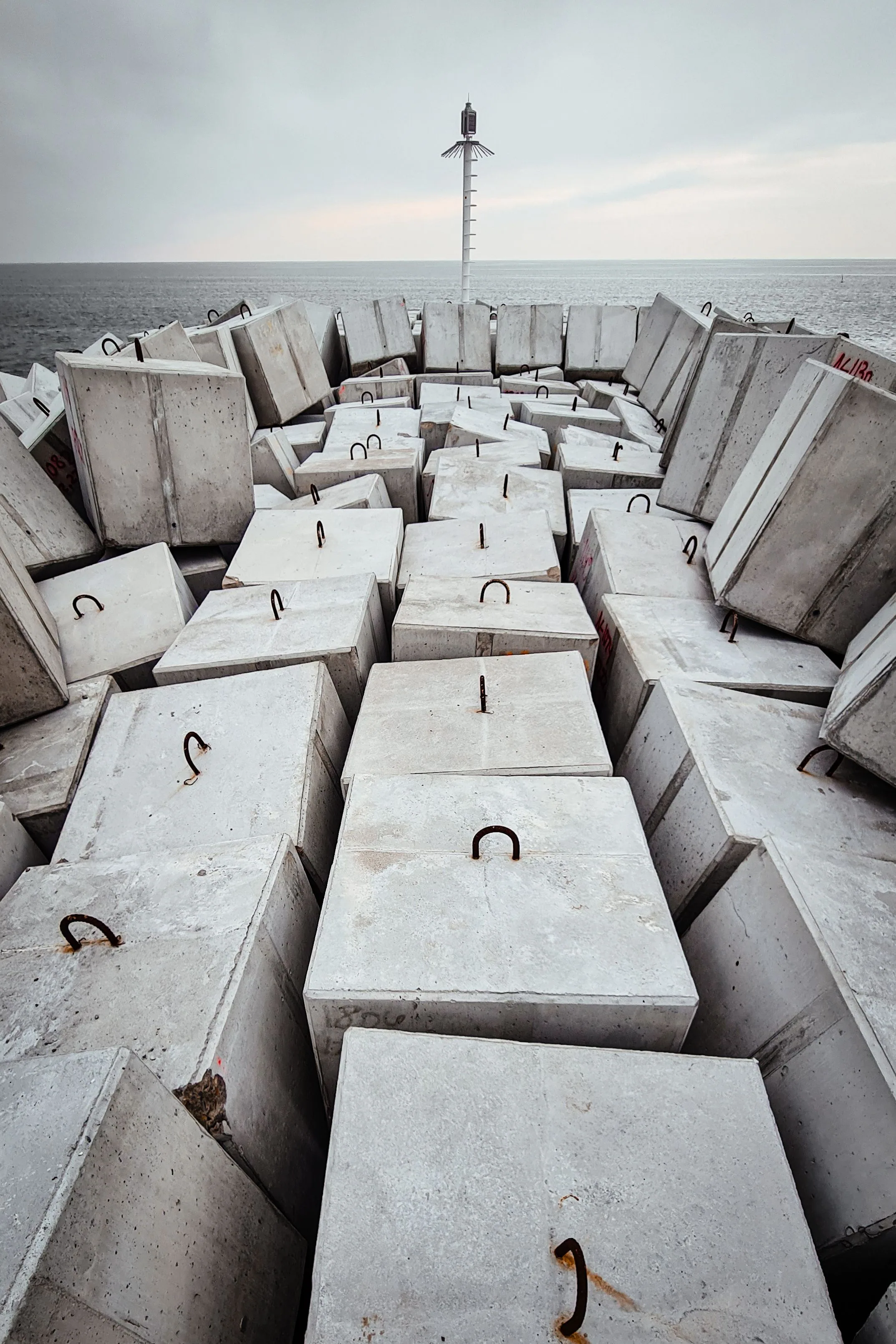
Field note 01
Surveyed at low water, February. Wind 22 knots, off the sea.
Field note 02
The 1974 copings have been reset three times. The 1974 wall has not.
Durability is not a property of a material. It is a description of a relationship that somebody maintained.
Featured project
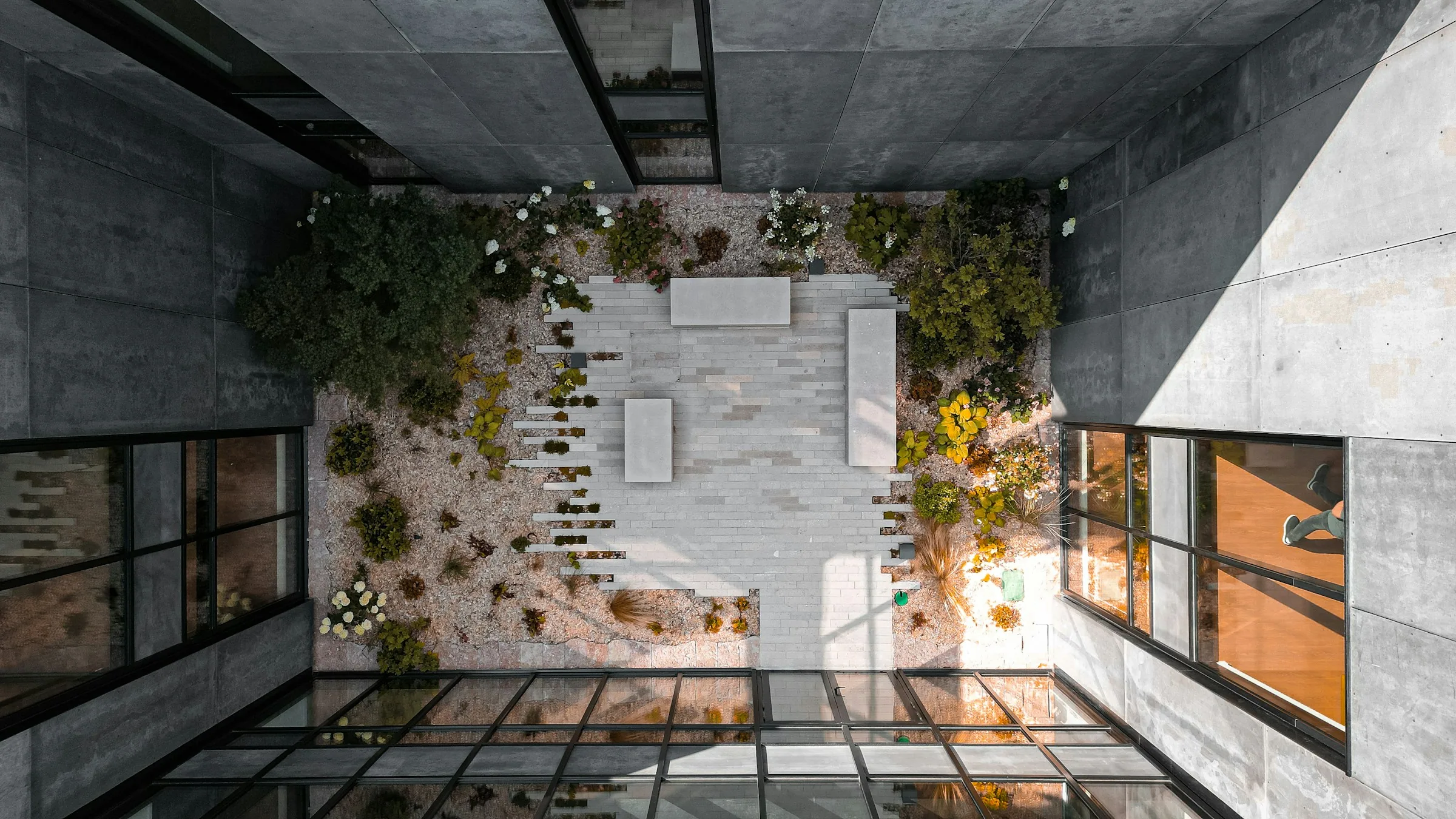
The Courtyard at Skarn Point
Aursund + Vale
A single-storey courtyard house set behind a low headland, planned so that every room borrows its light from a square of open sky rather than from the weather side.
Everything exposed is replaceable and detailed to be lifted: copings, sills, the timber walkway, the rainwater channel cut into the slab. Everything permanent is set back far enough to stay dry.
- Location
- Skarn Point (fictional)
- Architect
- Aursund + Vale
- Completed
- 2024
- Structure
- Cast in-situ concrete
- Area
- 380 m²
- Exposure
- North Atlantic, unsheltered
Closing
A Person, For Scale
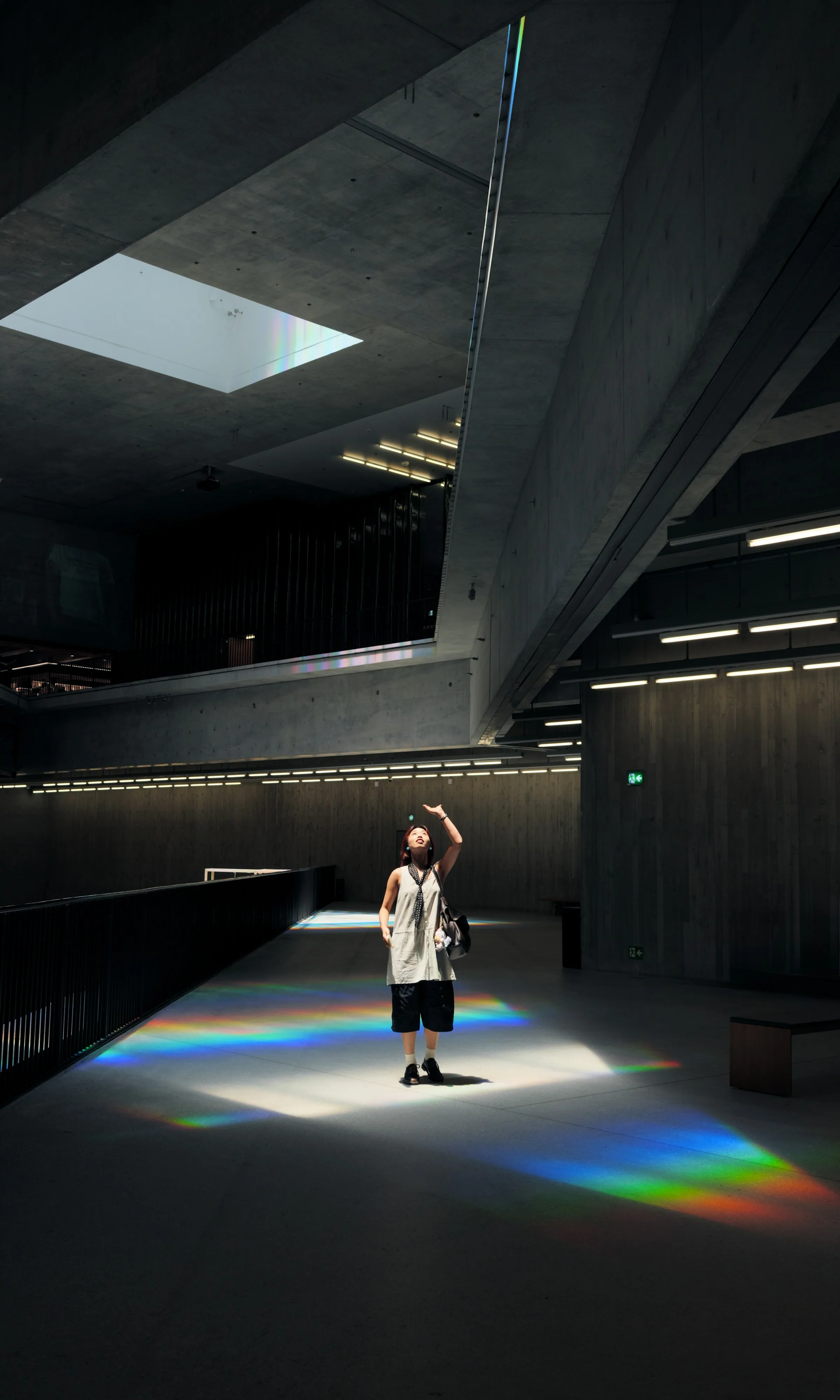
Every drawing in this issue contains a figure. The figure is not there to be looked at. It is there so that the wall behind it has a size, and so that the weather has something to be measured against.
Take the figure out and the photograph becomes geology: handsome, indifferent, and no longer about anyone. Leave it in and the building is returned to what it is — a shelter, briefly, for someone standing in the light while it lasts.
58°21′N 06°44′W · 11 m above chart datum